Instant Messaging
Upon arrival, you will be greeted by our professional tour guide and transferred to the hotel for rest and free time.
9-Day Shikoku Scenic & Onsen Retreat Tour
Overview
Osaka,Kobe,Okayama,Takamatsu,Shodoshima Island,Tokushima,Kochi
Tour Gallery
Tour Plan
-
Day 1Arrive Osaka, Japan – Free at Leisure
B: Onboard/Own / L: Onboard/Own / D: On Own
[Osaka] Dormy Hotels Osaka Tanimachi (City centre hot spring hotel - Guaranteed stay!) -
Day 2Akashi Kaikyō Bridge – Awaji Island Observatory – Naruto Whirlpools (“Uzu no Michi” walkway admission incl.)
B:Hotel / L:Own / D: Awa Chicken Cuisine
[Tokushima] JR Hotel Clement Tokushima or similarAkashi Kaikyō Bridge: Spanning the Akashi Strait between Honshu and Shikoku at 3,911 meters, the Bridge holds the title of the world’s longest suspension bridge and showcasing the pinnacle of Japanese engineering.
Awaji Island Observatory: The Observatory offers sweeping views over the Akashi Strait and the northern coastline of Awaji Island, making it one of the best spots to admire the full panorama of the Akashi Kaikyō Bridge and the surrounding seascape.
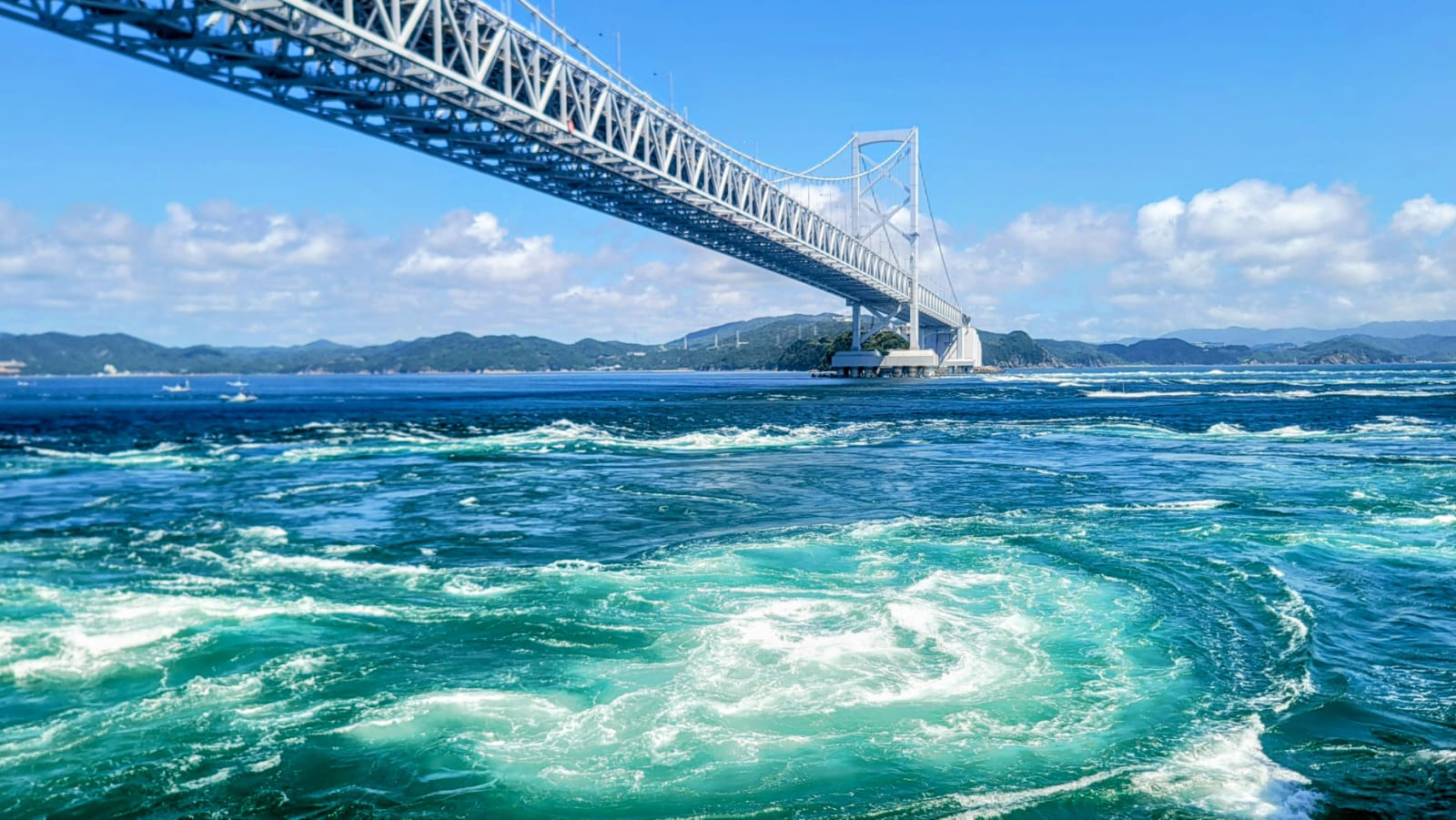
Naruto Whirlpools: The Naruto Whirlpools in the Naruto Strait are powerful tidal vortices created by dramatic differences in water level and fast-moving currents — some reaching over 20 meters in diameter, making them one of the world’s top tidal phenomena. “Uzu no Michi,” a glass-floored walkway beneath the Naruto Bridge, allows visitors to observe these swirling waters from 45 meters above, offering an exhilarating and up-close view of nature’s dynamic force. -
Day 3Awa Odori Kaikan (admission incl.) – Tokushima Indigo Dyeing Experience (admission incl.) – Iya Kazurabashi Vine Bridge (admission incl.)
B: Hotel / L: Naruto Sea Bream Cuisine / D: Hotel buffet or Kaiseki
[Kazurabashi] Hotel Kazurabashi (hot spring hotel) or similarAwa Odori Kaikan: Awa Odori Kaikan in Tokushima city is the best place to experience Japan’s iconic Awa Dance, a lively tradition over 400 years old. visitors can explore exhibits on the history, costumes, and music of Awa Dance, and even try the dance themselves, immersing fully in the energy and festive spirit of Tokushima’s most famous cultural celebration.
Tokushima Indigo Dyeing Experience: With history of over 400 years old, Tokushima Indigo Dyeing is made from fermented natural plants and requires multiple dips for depth until a rich, lasting blue is created. We will have the opportunity to try dyeing cloth or handkerchiefs ourselves, experiencing the delicate artistry and taking home a unique piece of this centuries-old craft.
Iya Kazurabashi Vine Bridge: Spans the Iya Gorge and was originally woven from vines by the defeated Heike clan to escape pursuers, the bridge sways slightly with the wind above rushing waters, crossing it offers both an adventurous thrill and a glimpse into Japan’s historical heritage set within a breathtaking natural landscape, making it a must-visit hidden gem in Shikoku. -
Day 4Oboke Gorge – Koboke Gorge – Kōchi Castle (admission incl.) – Katsurahama Beach – Hirome Market
B: Hotel / L: Japanese Cusine / D: Izakaya Cuisine
[Kōchi] Dormy Hotels Kōchi or similarOboke Gorge: Carved over millennia by the Yoshino River, Oboke Gorge features towering rock formations and crystal-clear rapids, creating a natural gallery of stunning scenery. Known as “Shikoku’s natural sculpture gallery,” the gorge offers beautiful landscapes in every season.
Koboke Gorge: Even more dramatic than Oboke, Koboke Gorge has narrow channels, swift currents, and sheer rock walls carved by nature. It’s a paradise for rafting enthusiasts and photographers, offering breathtaking scenery that showcases the raw power and majesty of Shikoku’s mountainous landscapes.
Kōchi Castle: One of Japan’s few remaining original wooden castles, built during the Edo period with its keep still standing today. Climbing atop offers panoramic views of Kōchi city and its historic streets.
Katsurahama Beach: Facing the vast Pacific Ocean, Katsurahama Beach is famous for its expansive scenery, white sands, ocean breeze, and crashing waves, creating a romantic yet majestic atmosphere.
Hirome Market: Kochi’s most lively food market, blending eateries, bars, and snack stalls into a bustling atmosphere. Visitors can sample local specialties like straw-seared bonito, fresh seafood, and other regional treats, immersing themselves in the city’s vibrant culinary culture. -
Day 5Kotohira-gū Shrine & Omotesandō – Kotohiki Park – Zenigata Sand Sculpture Observatory – Chichibugahama Beach
B: Hotel / L: Sanuki Udon / D: Hotel buffet or Kaiseki
[Kotohira] Kotohira Spa Kotosankaku (hot spring hotel) or similarKotohira-gū Shrine & Omotesandō: Kotohira-gū Shrine, known as the guardian of seafarers, honors the deity of maritime safety. Visitors ascend 785 stone steps, passing historic streets, tea houses, and wooden structures along the way. At the top, sweeping views of mountains and sea reward the climb, offering a perfect blend of cultural heritage and natural beauty. The Omotesandō street is lined with shops selling local souvenirs and traditional sweets, enriching the experience of this pilgrimage destination.
Kotohiki Park: Located along the coast of Kagawa Prefecture, is famed for its pine groves and expansive ocean views. At the centre of the pine groves, there is the iconic Zenigata Sand Sculpture, a 122-meter-long coin symbolizing wealth and good fortune.
Zenigata Sand Sculpture Observatory: The observatory offers the perfect vantage point to see the Zenigata Sand Sculpture along with the coastline, creating a picturesque scene over the Seto Inland Sea. Legend says that viewing the giant coin brings good fortune.
Chichibugahama Beach: Famous for its mirror-like reflections at low tide, earning it the nickname “Japan’s Sky Mirror.” On clear days, the horizon merges seamlessly with the sand, creating a dreamlike scene. Sunset adds a warm, romantic glow, making it a must-visit for photographers and couples. -
Day 6Takamatsu 🚢 (Ferry ticket incl.) → Shodoshima – Angel Road – Michi-no-Eki Roadside Station – Olive Park – Kankakei Ropeway 🚠 (ticket incl.) – Soy Sauce Museum (admission incl.) 🚢 (Ferry ticket incl.) → Okayama
B:Hotel / L: Own (at Michi-no-Eki Roadside Station) / D Shabu-shabu
[Okayama] Hotel Granvia Okayama or similarAngel Road: A sandbar that appears only at low tide, connecting Shodoshima to nearby islets. Legend says couples who walk it hand-in-hand are blessed with lasting happiness, making it a symbol of romance.
Michi-no-Eki Roadside Station: A local roadside station on Shodoshima, offering fresh produce, olive-based products, and handmade crafts.
Olive Park: Japan’s earliest olive-growing region, features over 30,000 olive trees planted in the garden, Mediterranean-style white windmills, and Greek architecture, full of history and charm, and is one of the representative attractions of Shodoshima.
Kankakei Ropeway: Kankakei Gorge, one of Japan’s three greatest scenic spots, offers a ropeway ride through dramatic cliffs and lush forests. From above, visitors enjoy panoramic views of the gorge and the Seto Inland Sea, creating a breathtaking aerial experience that is a must on Shodoshima.
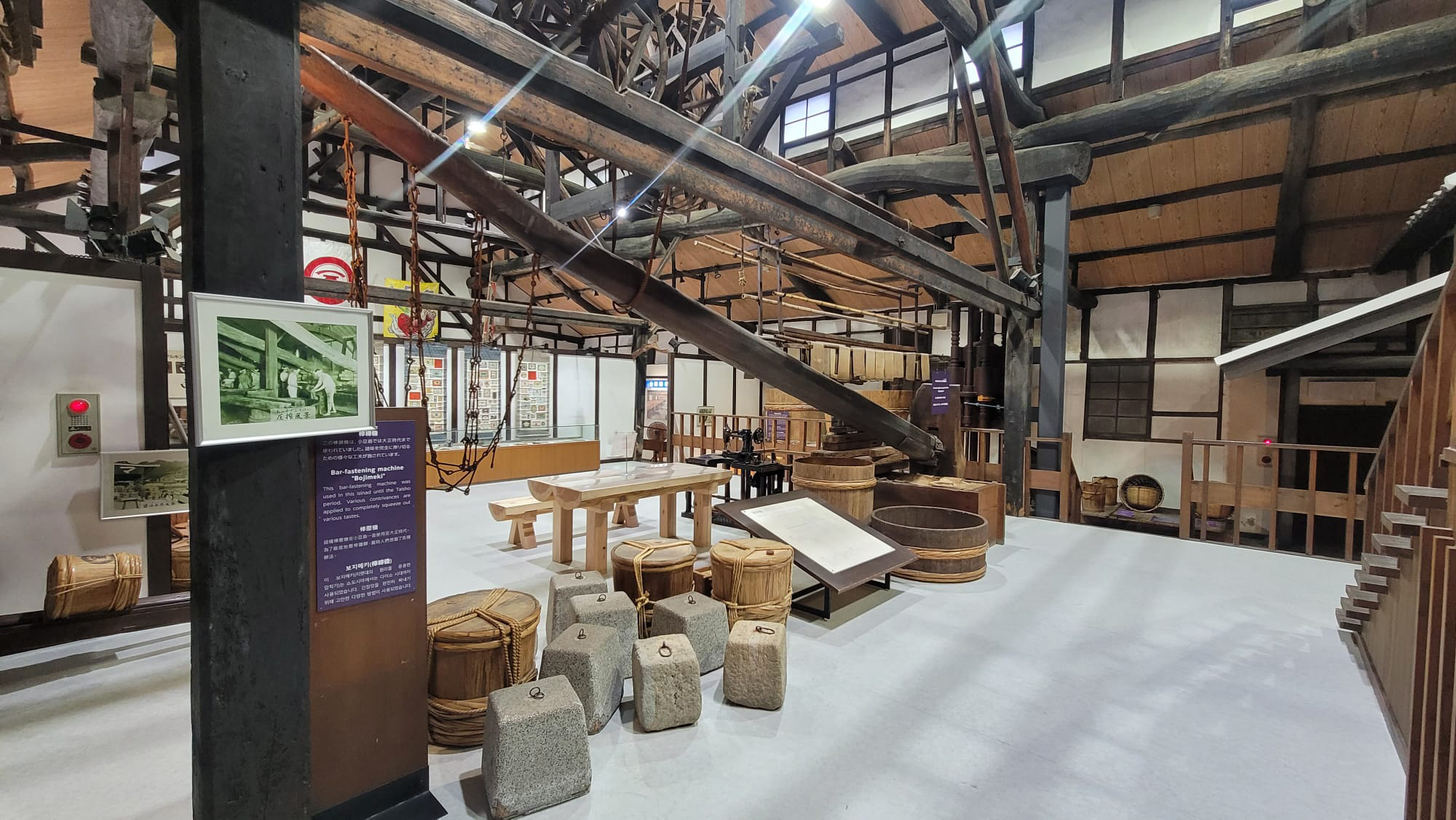
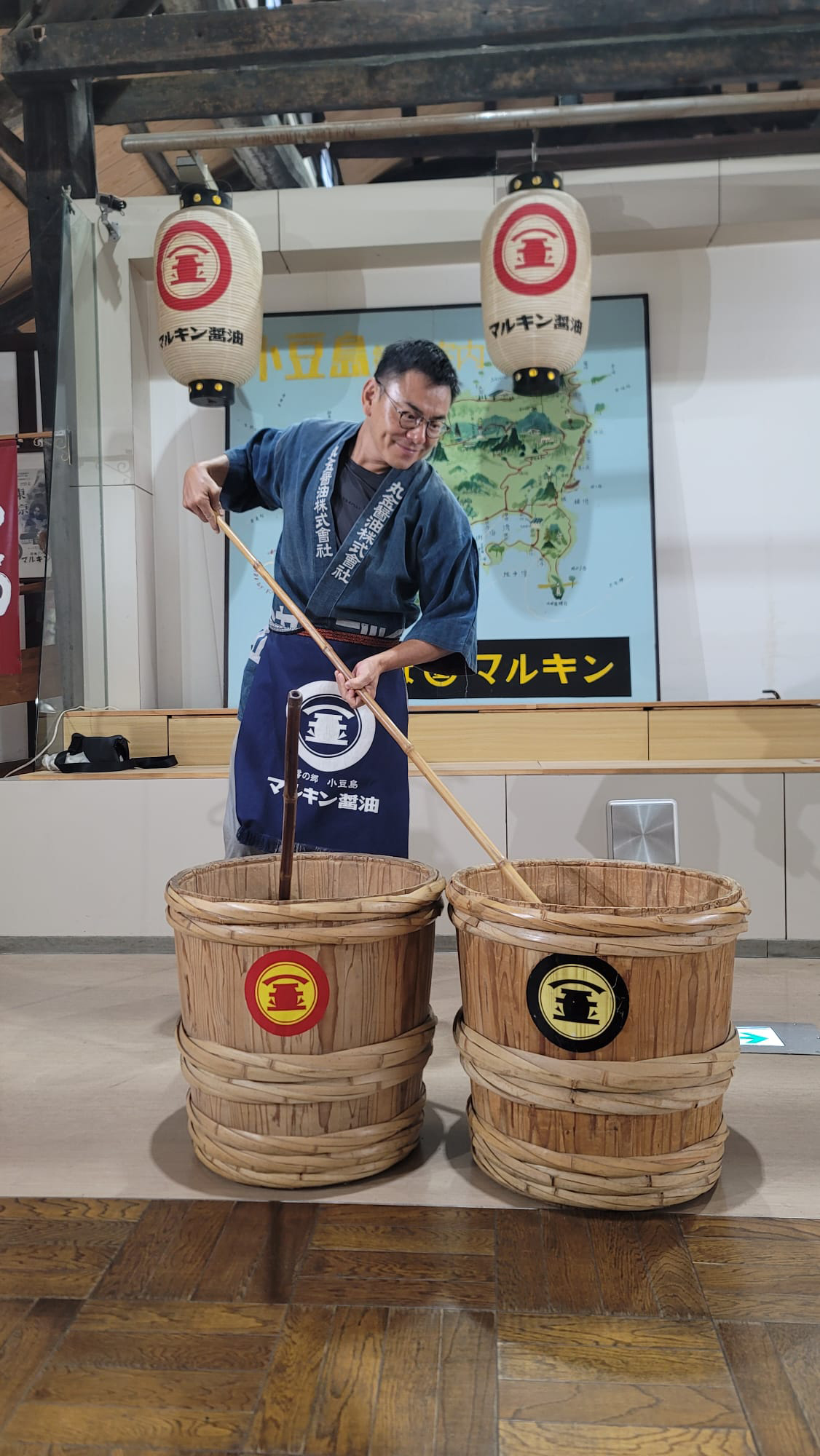
Soy Sauce Museum: Shodoshima is renowned for traditional soy sauce brewing using wooden barrels, a craft over a century old. The Soy Sauce Museum showcases these historic barrels, the brewing process, and cultural stories, allowing visitors to gain insight into this iconic culinary tradition. -
Day 7Okayama Kōrakuen Garden (admission incl.) – Kurashiki Bikan Historical Quarter – Himeji Castle (admission incl.)
B: Hotel / L: Own / D: Japanese BBQ
[Kobe] Maiko Villa Kobe (5* seaside resort hotel - Guaranteed stay!)Okayama Kōrakuen Garden: One of Japan's three most famous gardens, this spacious garden was built by Ikeda Tsunamasa, the second lord of the Okayama Domain, as a place for relaxation, and is filled with seasonal flowers, resembling an otherworldly scene from the Edo period. In 1952, it was designated a "Special Place of Scenic Beauty" and a historical and cultural property, and received a three-star rating in the Michelin Green Guide Japan.
Kurashiki Bikan Historical Quarter: The Quarter well preserves traditional Edo- to Meiji-era townhouses and white-walled warehouses. Along the winding canal, the reflections of historic buildings and willow trees create a timeless, picturesque scene. The area is filled with charming cafés, artisan shops, and museums.
Himeji Castle: Known as the “White Heron Castle” for its elegant white exterior, is one of Japan’s most iconic castles and a UNESCO World Heritage site. Its main keep, gates, and stone walls remain intact, showcasing the strategic design and aesthetic beauty of the feudal era. From the top, we can enjoy panoramic views of Himeji city and the surrounding landscape, experiencing the grandeur of Japanese history. -
Day 8Kobe - Kitano Ijinkan District – Kobe Outlet Shopping – Osaka – Free at Leisure
B:Hotel / L: Own (at Kobe Outlet) / D:Own (at Osaka)
[Osaka] Dormy Hotels Osaka Tanimachi (City centre hot spring hotel - Guaranteed stay!)Kitano Ijinkan District: This picturesque district preserves Western-style residences and foreign merchant houses from the Meiji to Taisho periods, giving the streets a charming international atmosphere. Visiting these historic homes and museums offers insight into the lifestyles and architecture of foreign residents, reflecting Kobe’s history as an international port city. -
Day 9Depart Osaka
B: HotelAfter breakfast, transfer to the airport for your flight back home.
Loading...
Processing...